NASA | Aviation & Research
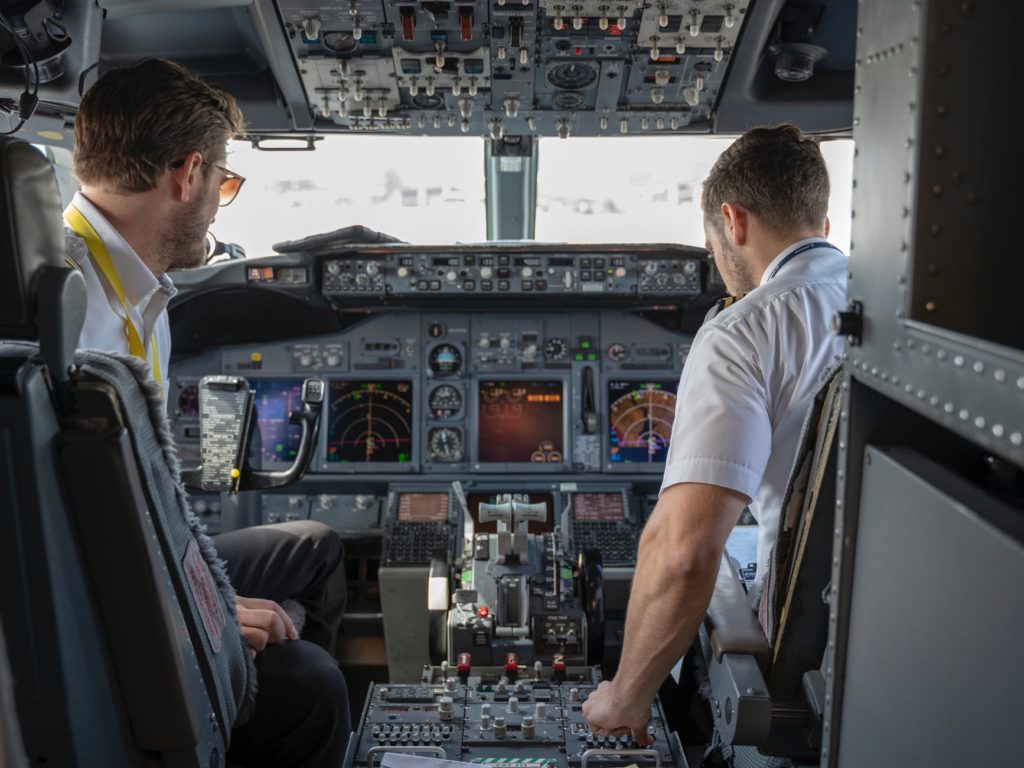
This project involves working with pilots to test the future of airplane troubleshooting and diagnostics.
Project Summary
Overview
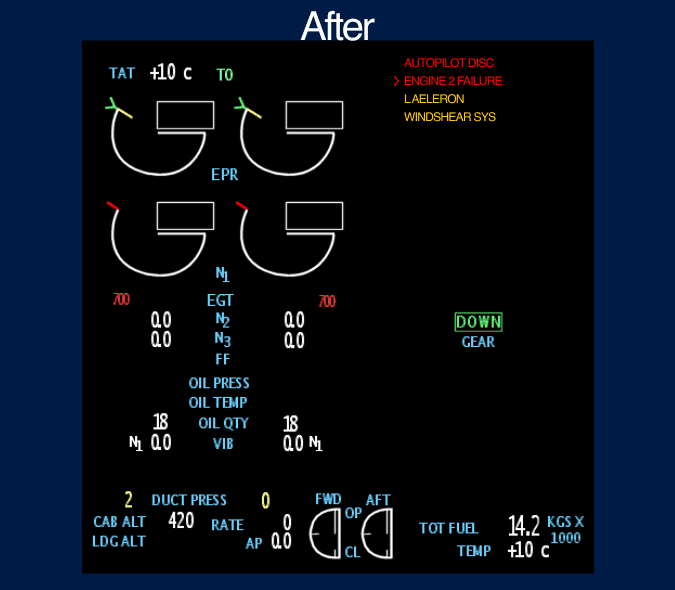
Aircraft displays today do not full capabilities of aircraft when an engine failure happens. With this predictive system, we want to help pilots understand how to handle aircraft in an emergency.
Responsibilities
Create and test prototype with commercial aircraft pilots to innovate on future possible alerting systems.
Impact
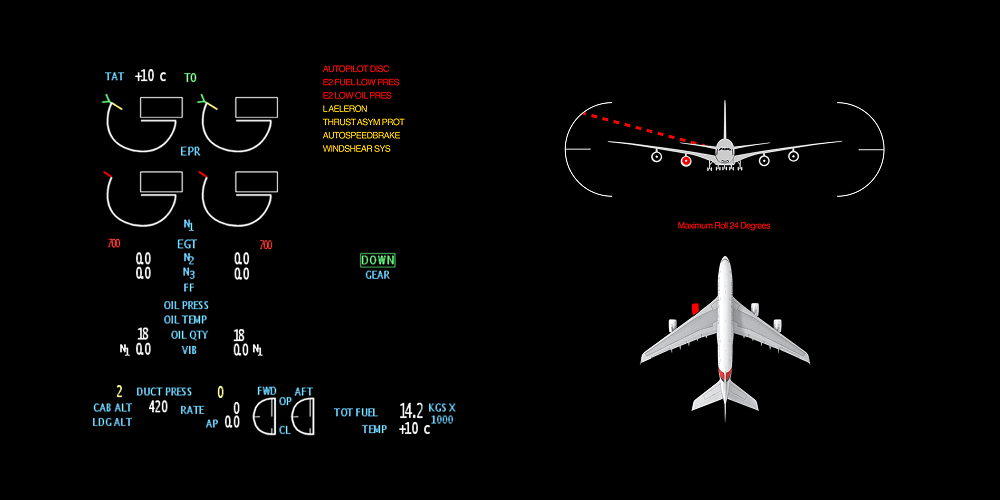
After conducting tests on simulated flight tests, we found that pilots were able to understand that their aircraft was still capable of specific maneuvers.
The Qantas Flight 32 Incident
Right now, there arent that many services that allow landlords to designate a home to become an investment property. Azibo provides an all in one package that allows landlords to add their portfolio and invite their tenants to come in and provide financial services that help aid in paying rent when needed.
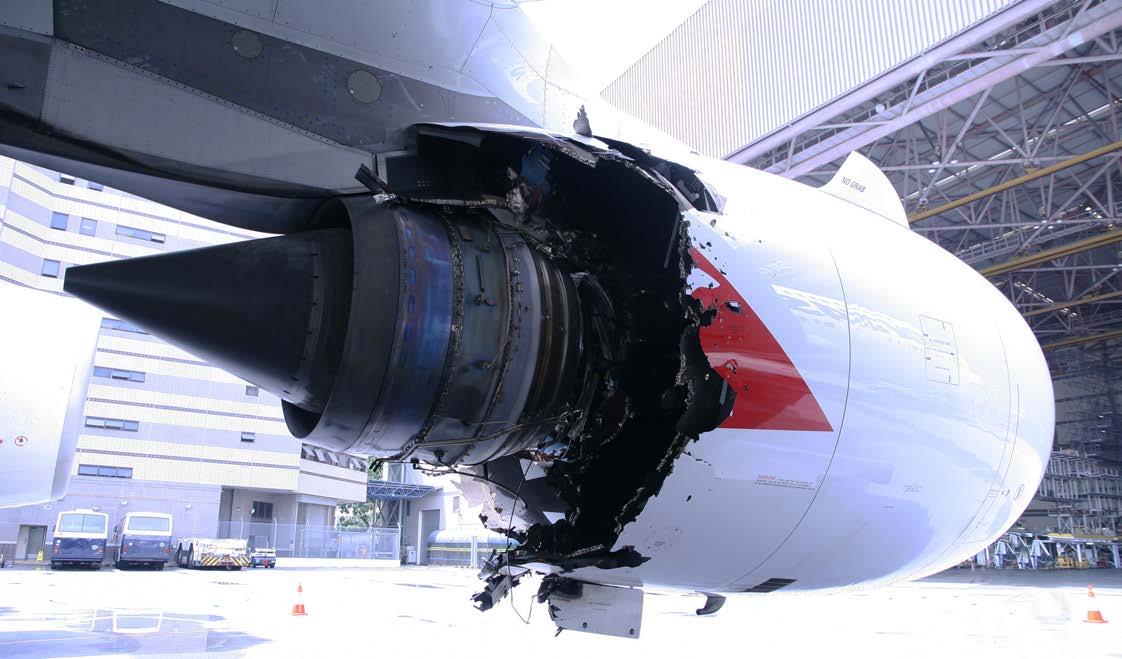
Pilots Were Not Confident
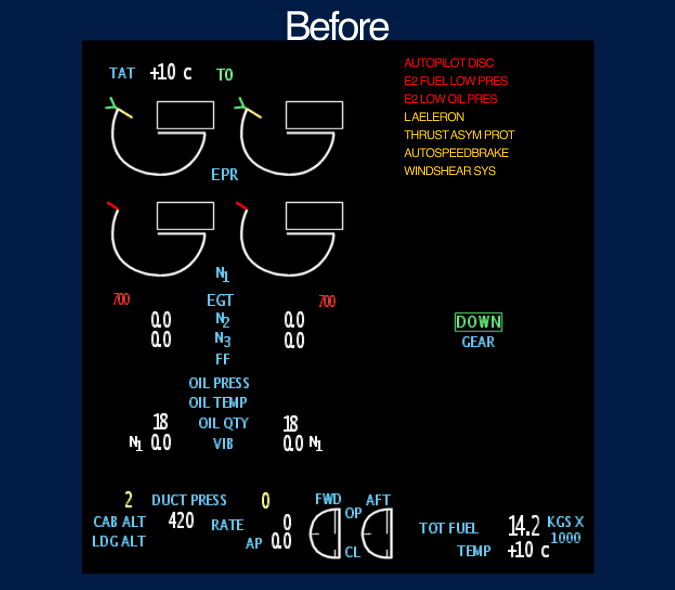
Pilots held a holding pattern for about 50 minutes to diagnose aircraft issues, just to determine there was an engine failure. Engine 2 on the aircraft disintegrated in flight, but the other 3 engines remained in tact.
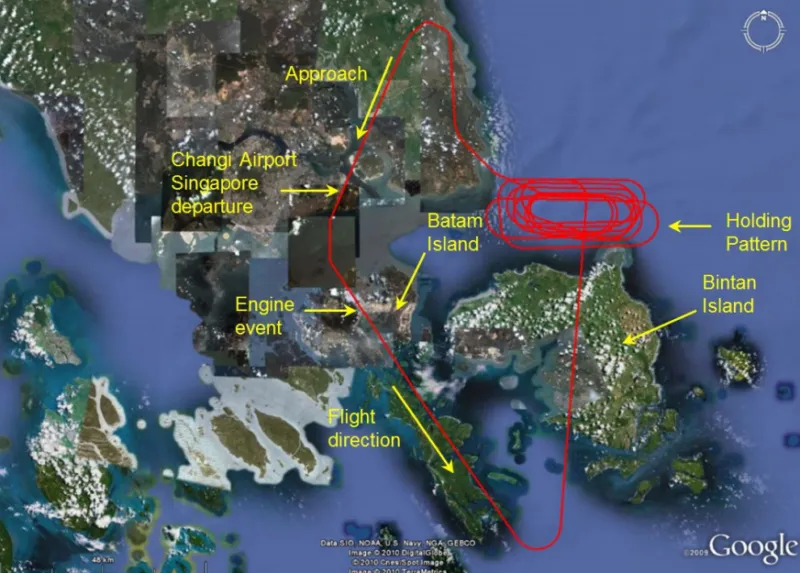
Time could have been saved
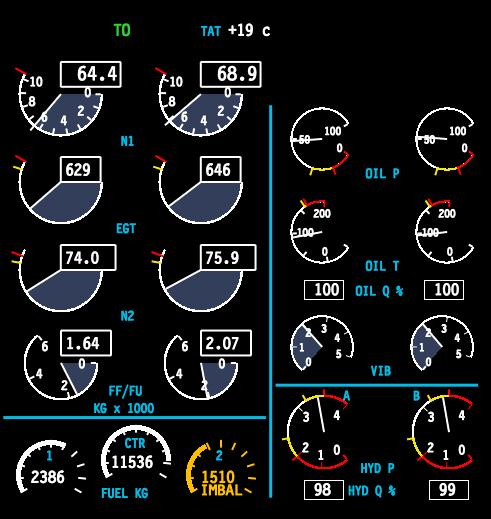
There could have been a better way to display information. The only information that pilots can reference is within the EICAS system shown to the right. This displays all malfunctions, but pilots have to diagnose the problem.
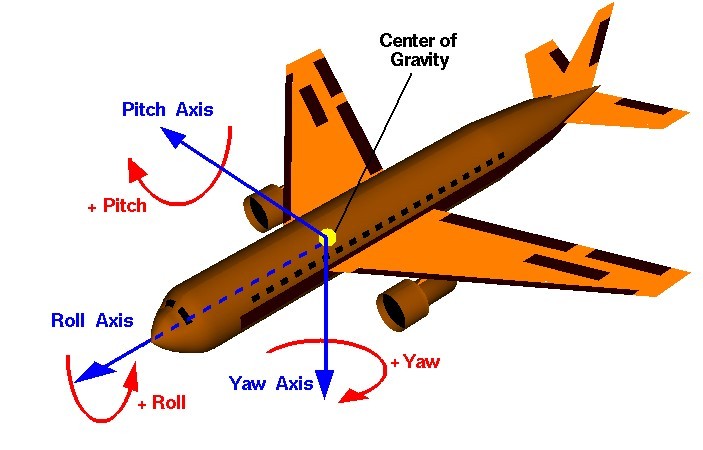
Aircraft capabilities unknown
There are limits in which aircraft can do when there's a failure. Without having the understanding of aircraft capabilities, pilots are left in the dark on what they can do to maneuver the plane to saftey.
Diagnostics are tedious
Pilot handbooks are what pilots use to diagnose issues. They use a checklist to identify the problems and then come to a conclusion without the system outright telling them what is wrong.